


LIVONIA, Mich. In 2003, 27-year-old software developer Anthony DiCicco opened an eBay account and needed something to sell.
He started with an unusual family heirloom. It was a German bayonet that had belonged to his great-grandfather, John DiCicco, who served in the Italian Army during World War I. For years, DiCicco's father had kept it in the top drawer of his dresser.
It sold for $76.
Twenty-three years later, the company that grew from that first online transaction, Category Five Technologies, Inc., has generated more than $158 million in cumulative sales.
“I still think about it and wonder how a $76 sword started all of this,” DiCicco said.
There was no plan to build an ecommerce company.
Category Five Technologies was incorporated in 2003 with the original intention of becoming a software consulting business. DiCicco was working full time as a contract software developer, hired by companies to design and build software systems from the ground up. Ecommerce was something he began experimenting with on the side.
After selling the bayonet, he started listing software programs he had written himself. One was a baseball and softball statistics program that sold hundreds of copies on eBay.
Then his father, John, joined the experiment.
DiCicco would give him a few hundred dollars and send him to garage sales looking for things they could resell online. John loved the hunt and often returned with antiques, old magazines, board games and collectibles. One memorable find was a 1968 Detroit Tigers bobblehead purchased for $1 and later sold for $87.
The profits went back into more inventory.
DiCicco bought lots of flawed children's NFL clothing for about $4 per jogging suit and sold them for around $20. He bought returned window treatments and broke the lots apart for resale. He bought boxes of original Generation 1 Transformer toys and sold them individually.
Hundreds of dollars gradually became thousands, all while DiCicco continued working full time as a software developer.
Then his mother, Brenda, presented him with an entirely different product.
Brenda worked for American Dryer, a hand dryer manufacturer in Livonia, Michigan. The company asked whether her son would try selling its hand dryers on eBay.
To DiCicco's surprise, they sold.
More importantly, the experience showed him that there was a market for commercial hand dryers online. That realization brought his two worlds together. Instead of simply listing more products on eBay, the software developer decided to build his own ecommerce business.
Working from his parents' basement, DiCicco built ProDryers.com first. Shortly afterward, he built ProDrinkingFountains.com.
Those two specialized ecommerce websites changed the trajectory of Category Five Technologies.
ProDryers gave customers a dedicated online destination where they could research and purchase commercial hand dryers from multiple manufacturers. As other hand dryer manufacturers began approaching DiCicco, the site expanded to carry the industry's major brands. The company then broadened into additional commercial restroom products.
ProDrinkingFountains followed with a similar specialty ecommerce model focused on commercial drinking fountains, water coolers and, eventually, bottle filling stations and related products.
The websites, both conceived and built by DiCicco in his parents' basement, became the engines behind Category Five's rapid growth.
What began as relatively small hand dryer sales grew into hundreds of thousands of dollars in business. Eventually, Category Five crossed its first $1 million annual sales mark.
For DiCicco, who was still working as a software developer while building the company, the numbers became increasingly difficult to comprehend.
He remembers telling two fellow developers at DivDat about his growing advertising budget. At first, he was spending about $500 per month. Then it became $1,000. Then $2,000. Eventually he was spending around $10,000 per month as online sales accelerated.
The profits were being reinvested just as quickly.
Growth also created a difficult decision for his mother.
As customers requested competing hand dryer brands, DiCicco wanted ProDryers to support them. American Dryer warned Brenda that her son's decision to sell other manufacturers could cost her job.
“I told her, ‘Mom, I’m getting you fired,’” DiCicco recalled. “And I did.”

Brenda became Category Five's first full-time employee.
Other family members soon followed. DiCicco's wife, Julie, left an accounting career of more than a decade to join the company. His aunt Teresa worked alongside them in the basement. His sister, Tahnee, joined when Category Five moved into warehouse space and remains the company's operations manager today.
DiCicco is quick to point out that the company's growth was never a solo accomplishment.
“I’m the engineer. Julie is the accounting brain and has always had more of the HR and business mind,” he said. “The joke is that I make messes everywhere I go, and she’s running behind me cleaning them up.”
Before Category Five had a warehouse, however, it had a finished basement packed with hand dryers.
DiCicco, Julie and Teresa worked at desks surrounded by boxed inventory stacked along the walls. Shipping labels were printed downstairs. Packages were labeled in the basement, carried up the stairs and placed on a cart in the garage.
The family became close with the UPS driver who arrived each day to collect the growing number of shipments.
Brenda handled incoming sales calls through a Grasshopper 800 number that DiCicco forwarded to a dedicated telephone line installed at the house. Eventually, another phone line was installed in the basement.
Getting inventory into the house was another matter.
DiCicco's father would sometimes guide semi-trucks down the private dirt road to the family home. Delivery drivers helped hand down XLERATOR hand dryers one at a time. The family put them onto a wheeled cart, moved them into the garage and then carried them into the basement.
At other times, DiCicco and his father drove an F-150 to American Dryer, loaded the truck with hand dryers and brought them back themselves.
Eventually, there simply was not enough room.
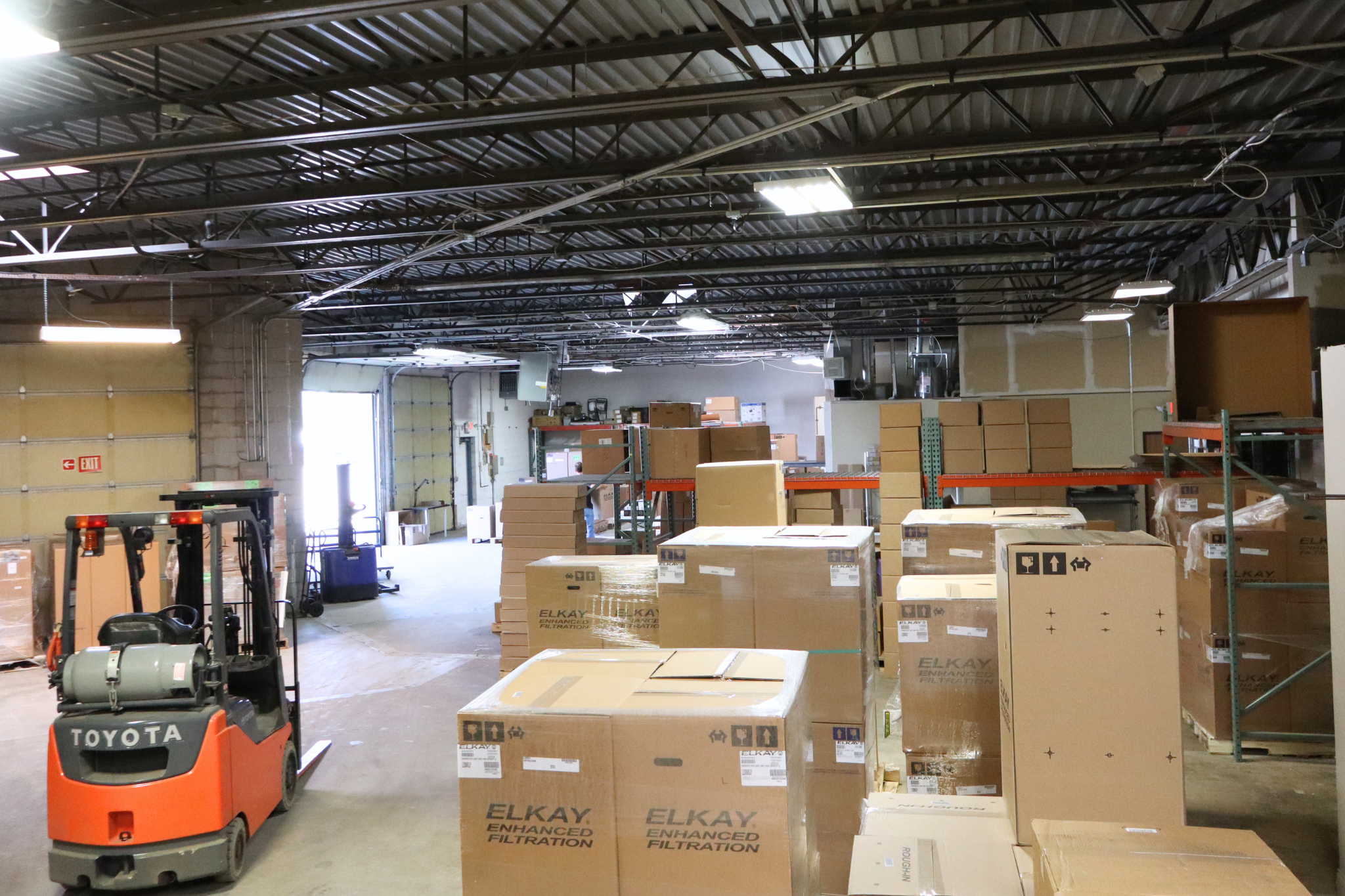
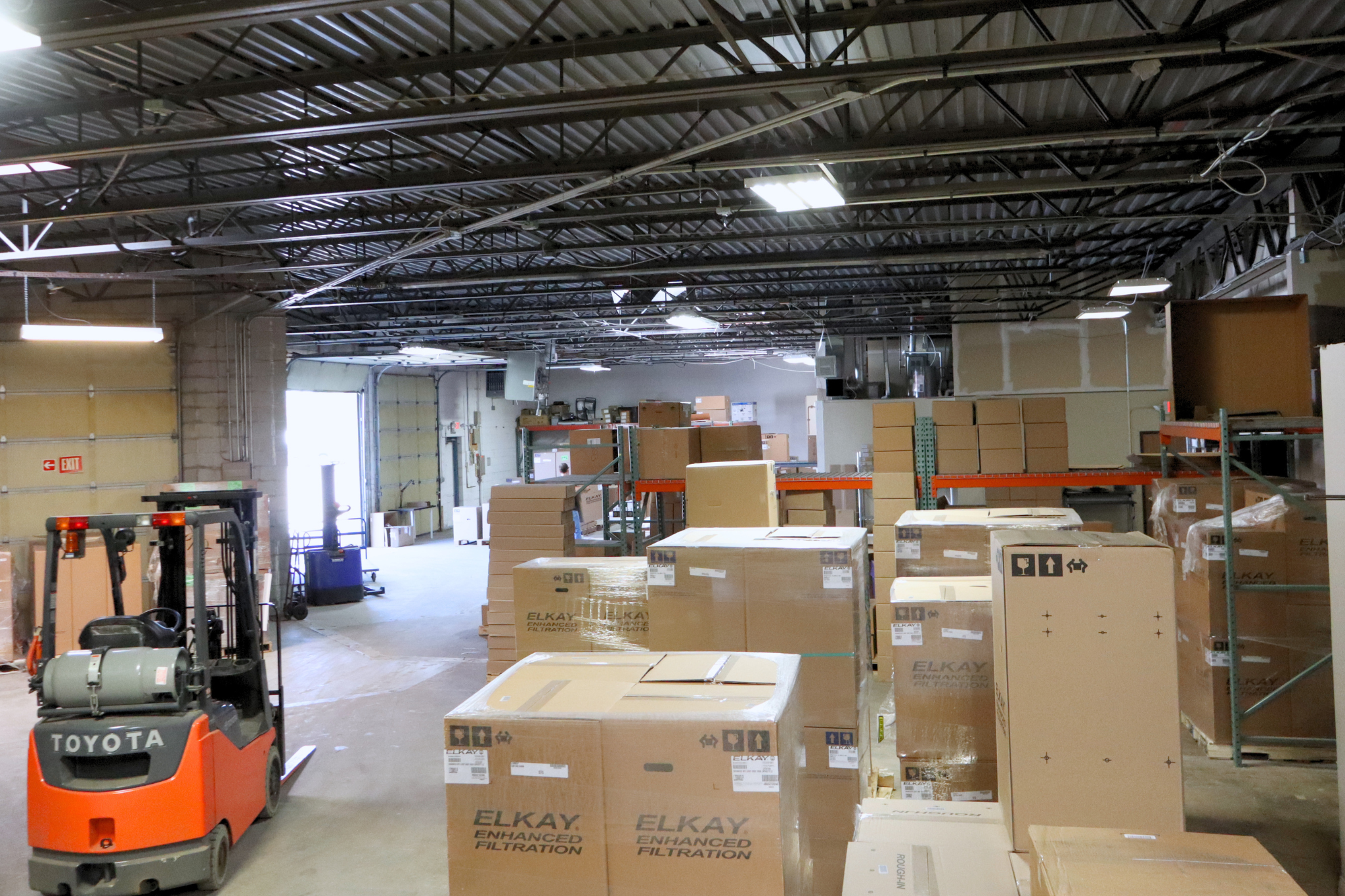
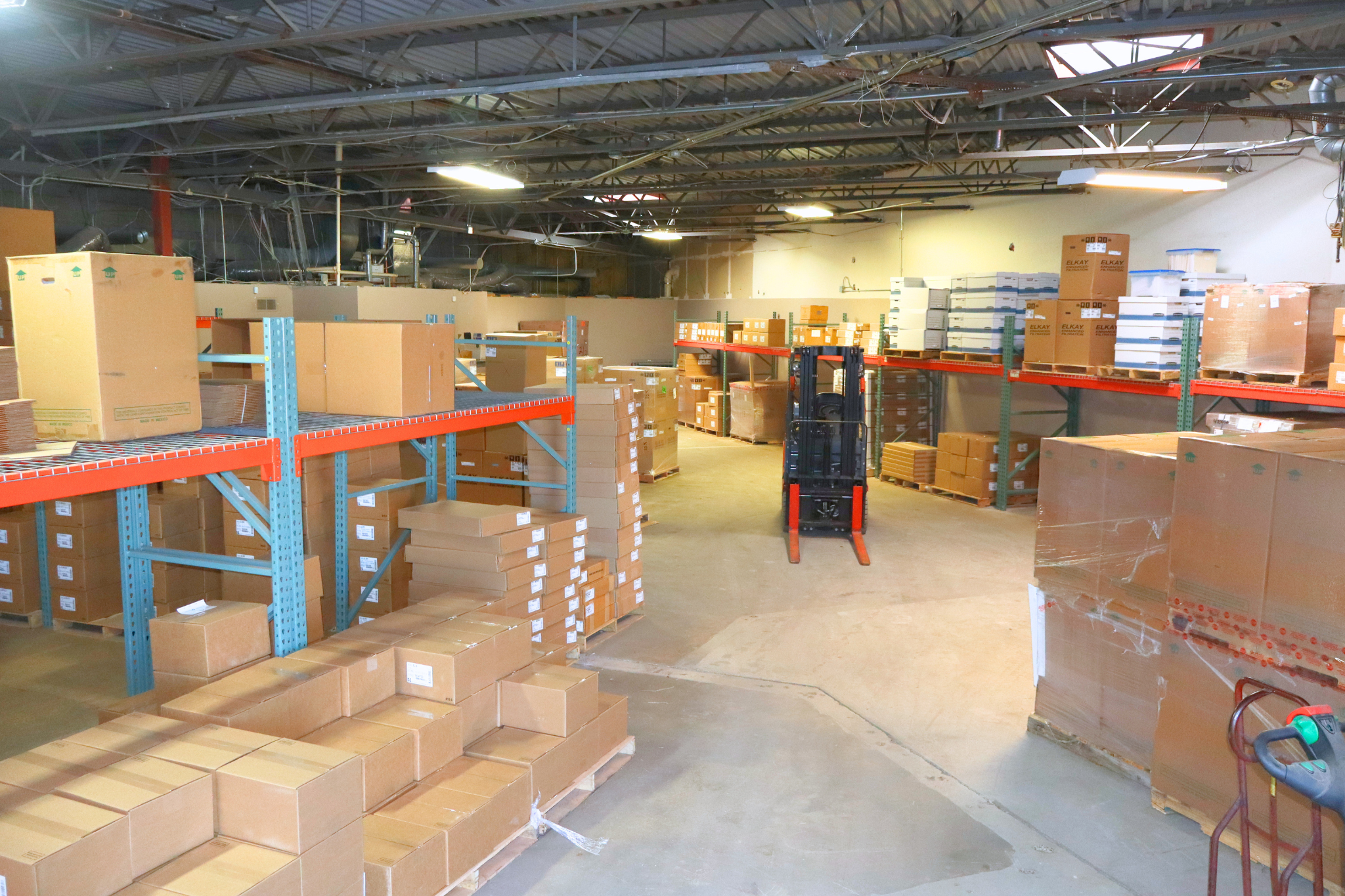
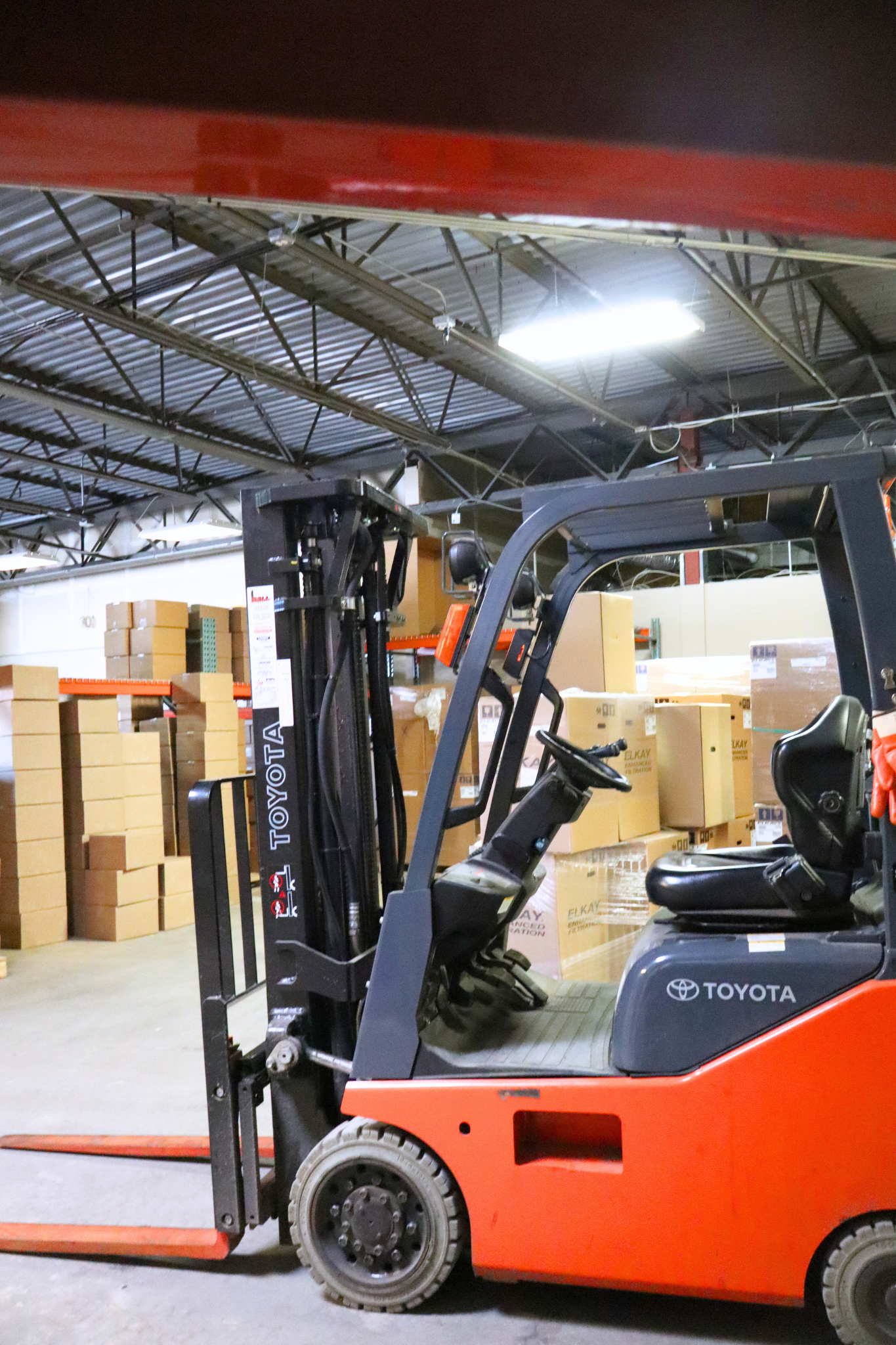
Category Five moved into its first warehouse. The space initially felt enormous. Within a year, the company was knocking down a wall to take over the neighboring warehouse suite. Over the next few years, the operation expanded to four suites.
The growth became significant enough to attract national recognition.
Category Five recorded $9.2 million in sales in 2014. That same year, the company ranked No. 682 nationally on the Inc. 500/5000 and No. 10 among the fastest-growing privately held companies in Metro Detroit. In 2015, Henry Ford College reported that Category Five had surpassed $10 million in annual sales.
For years, the company continued growing, eventually exceeding $15 million in annual sales.
Then COVID-19 hit.
For a company built around products used in commercial facilities, the effects were immediate. Commercial construction slowed. Schools closed. Public spaces emptied. Drinking fountains were covered with yellow tape. Architects delayed projects, and plans for commercial spaces were put on hold.
It was the first time DiCicco felt Category Five had truly been punched in the mouth.
What followed was almost as disruptive.
As facilities reopened and government funding and grants fueled institutional purchasing, demand surged. Category Five went from watching parts of its market come to a standstill to struggling to keep enough product on its shelves.
Then came the correction.
Once the extraordinary purchasing wave subsided, sales slowed significantly for a period as the commercial market worked through the aftermath. DiCicco describes building Category Five as a roller coaster rather than the uninterrupted success story that revenue figures alone might suggest.
“People tell you the first five years of building a business are the difficult ones, and there is a lot of truth to that,” he said. “But even after you become successful, there are highs and lows. Building a successful business is definitely not easy.”
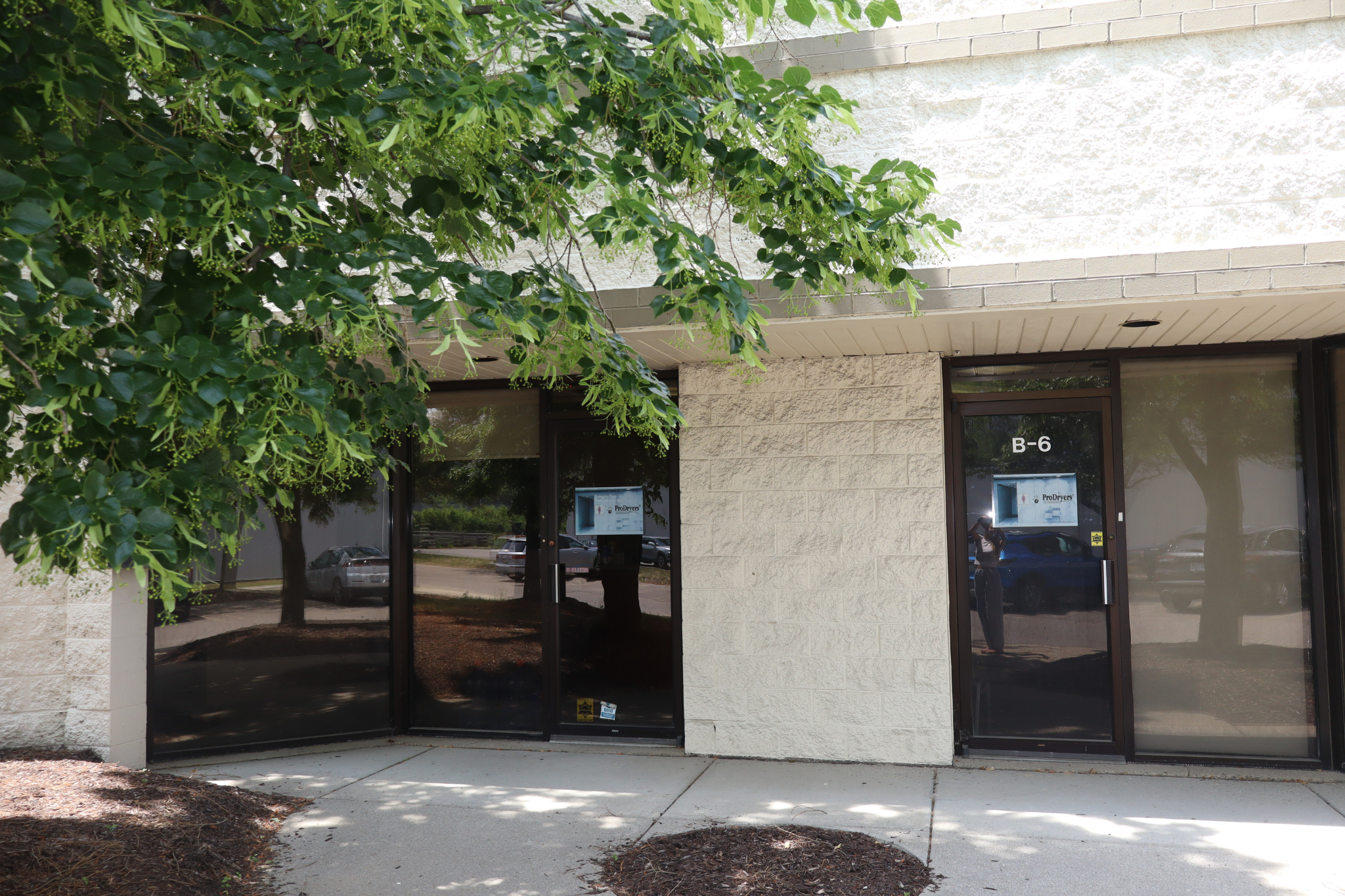
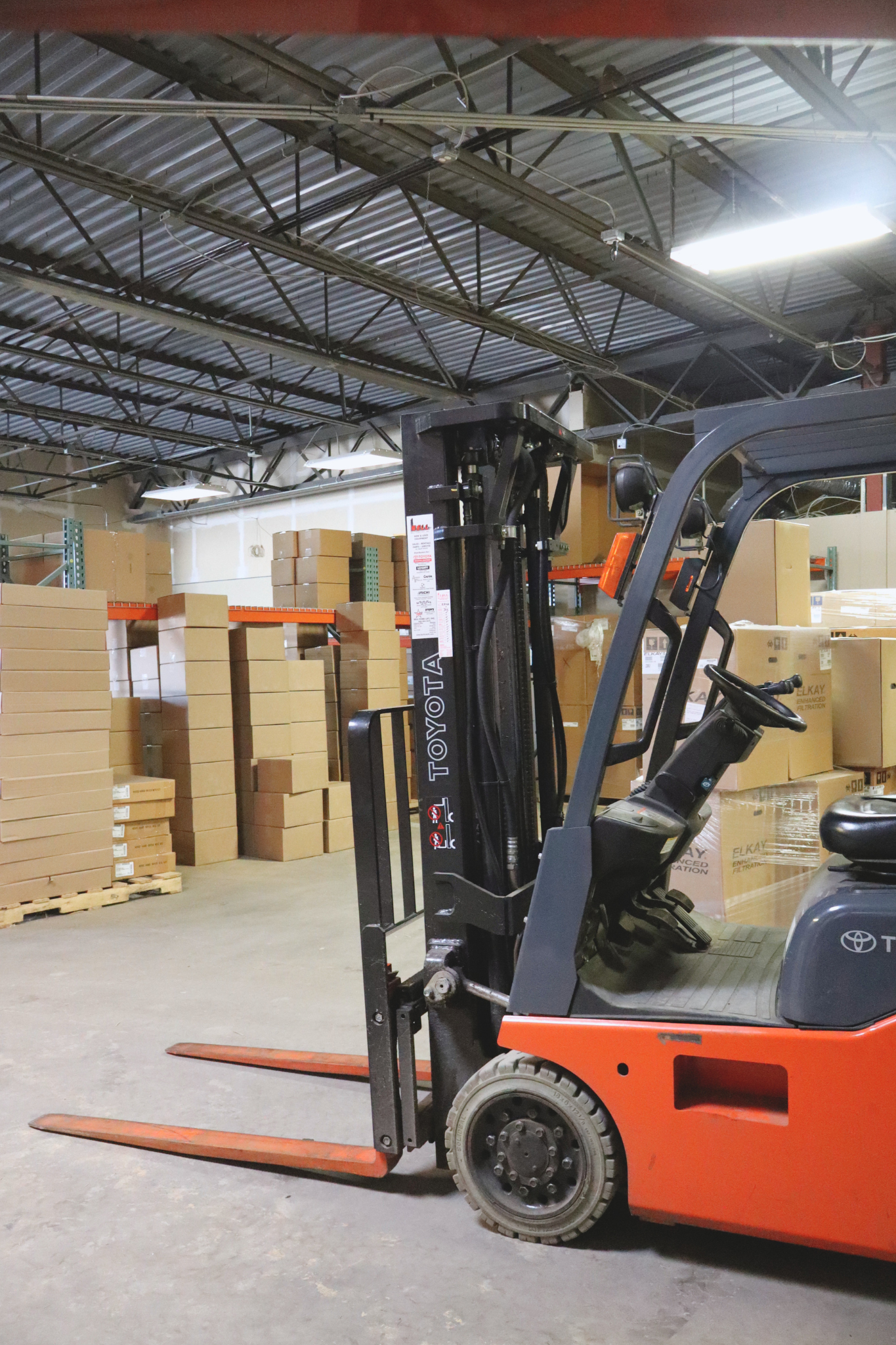
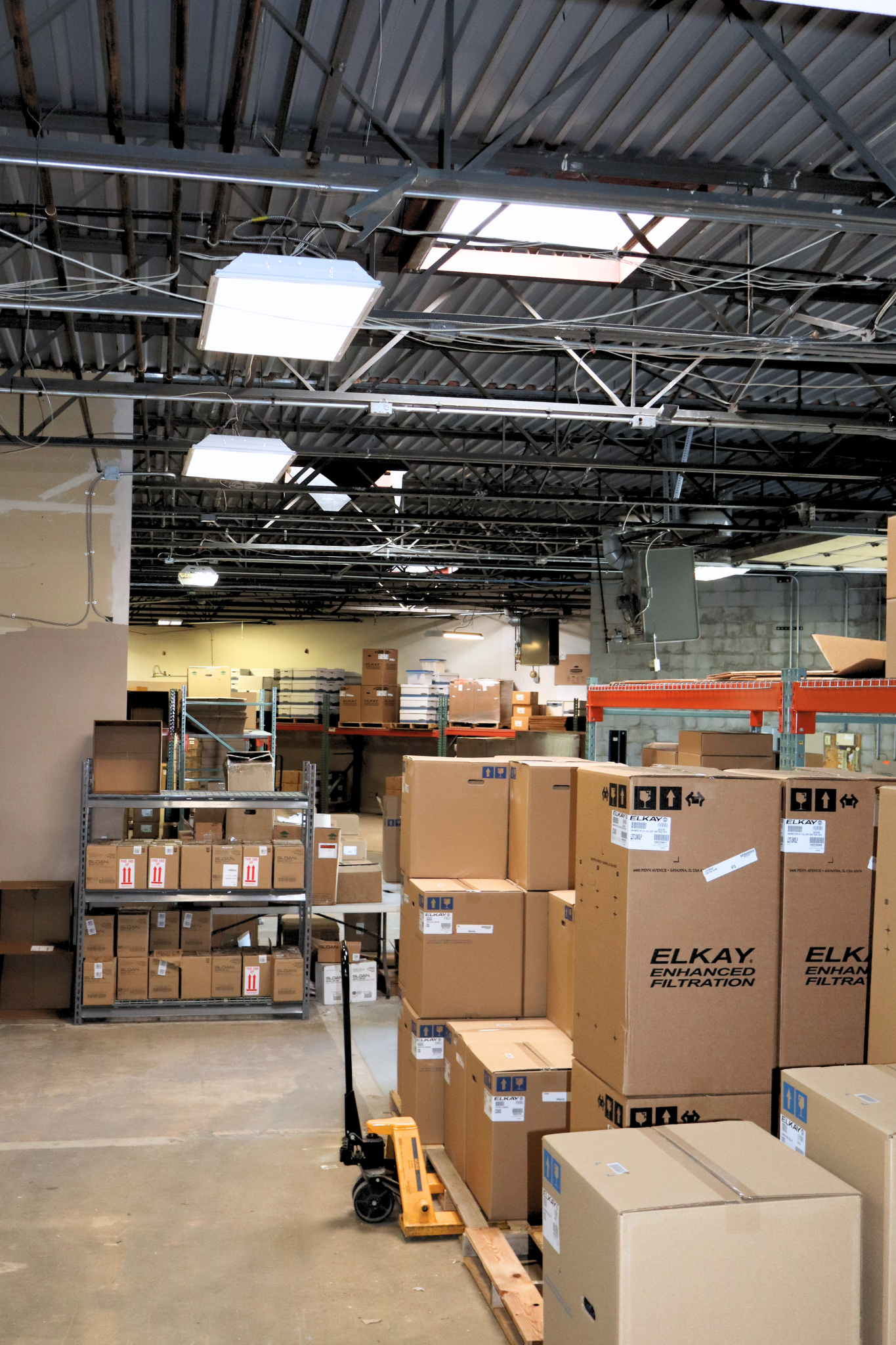
Today, Category Five operates approximately 10,000 square feet of warehouse space in Livonia and looks very different from the basement operation that preceded it.
Two household telephone lines have been replaced by digital phone systems. Orders move from ecommerce platforms and marketplaces into cloud-based systems and synchronize with accounting and shipping software. Sales and customer service teams use ticketing systems and modern collaboration tools. UPS and FedEx shipping is integrated into the company's fulfillment operation.
Artificial intelligence now assists customers on Category Five's ecommerce sites 24 hours a day. When an AI system cannot answer a question, it can call on a more capable AI system or transfer the customer to a person when human expertise is needed.
For DiCicco, technology has brought the story full circle.
He started Category Five as a software developer experimenting with a relatively new way of selling products online. Twenty-three years later, he sees AI creating another major shift in what a small ecommerce company can build and automate.
“We really see ourselves as an ecommerce company,” DiCicco said. “ProDryers became our first major ecommerce success, and ProDrinkingFountains showed us that the model could work in another specialized commercial market. Category Five is becoming the hub that brings it all together.”
He sees the possibility of additional specialized ecommerce businesses in Category Five's future, all focused on commercial markets and able to support and cross-promote one another.
“AI has changed the way we design and build,” he said. “We can automate a lot of the things that took enormous amounts of time and held us back in the past. I don’t have an end date in mind. I just want to keep building.”
Twenty-three years after the first eBay sale, Category Five Technologies has now generated more than $158 million in cumulative sales.
Yet the item that started it all is long gone.
“I would pay good money to have that bayonet back,” DiCicco said. “I’ve always wondered what my great-grandfather would think about what happened after I sold it. He grew up very poor. To think that something he once held would someday help start a company that has generated $158 million in sales and is still going strong would have blown his mind.”
DiCicco does not attribute the company's path to a carefully constructed master plan.
“I credit a lot of things in my life to fate and to God,” he said. “I never really had a grand plan for everything I’ve accomplished. Once I’m shown the path, I put my head down and grind. That sword was the start of something unimaginable.”
And if the bayonet somehow found its way back to him?
“I’d put it right at the front of our office,” DiCicco said. “I’d want everyone who walked in to see it and remember how we got here.”
About Category Five Technologies, Inc.
Founded in 2003 and headquartered in Livonia, Michigan, Category Five Technologies, Inc. is a family-owned ecommerce company specializing in commercial building products. Category Five operates ProDryers.com, a national supplier of commercial hand dryers and restroom equipment, and ProDrinkingFountains.com, a national supplier of commercial drinking fountains, bottle filling stations and related hydration products. Since its founding, Category Five Technologies has generated more than $158 million in cumulative sales.
Media Contact
Category Five Technologies, Inc.Livonia, Michigan
CategoryFiveTechnologies.com